
African Business
How Pan-African Brands Are Rewriting the Playbook
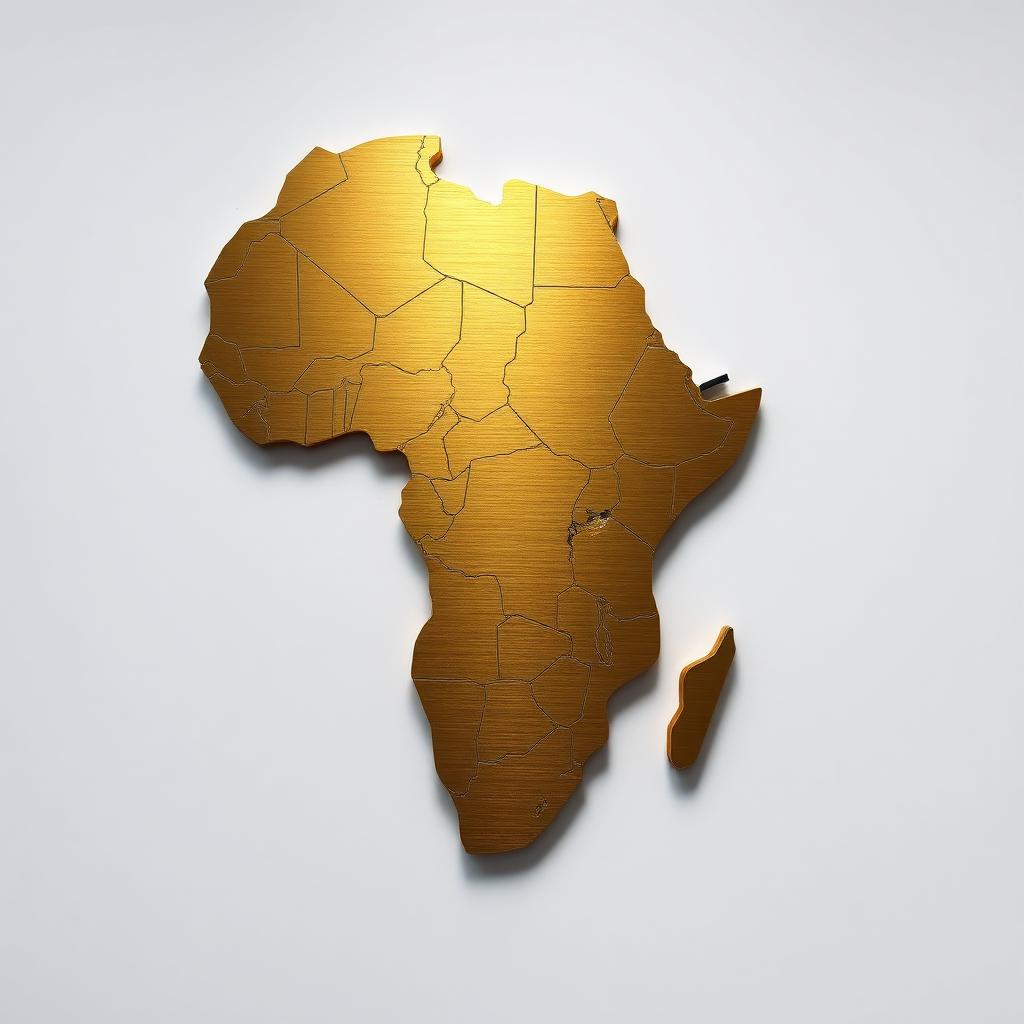
For most of the post-independence era, the dominant assumption about African brands was that they were national. A bank in Lagos. A telco in Nairobi. A retailer in Cairo. Pan-African ambition was the exception, and when it existed, it was usually a thin replication of European or American models with the colours changed.
That assumption no longer holds. A new generation of African companies — in fintech, energy, agriculture, logistics, entertainment, mobility — is building category leadership across multiple markets on the back of products designed for African realities and brands designed for African aspirations. Their playbook is genuinely new, and it offers lessons for any organization with continental ambition.
Lesson one: design for the hardest market first. The pan-African brands that travel best tend to be built in the most demanding environments — places with unreliable infrastructure, complex regulation, currency volatility and impatient customers. Products that work in those conditions tend to work everywhere else. Brands that earn trust in those conditions tend to earn it everywhere else.
Lesson two: build cultural fluency into the operating model. Successful pan-African organizations do not parachute headquarter culture into new markets. They invest in local leadership early, give country teams real authority, and build internal communications that surface tensions rather than smother them. The result is a brand that feels local in every market without becoming inconsistent.
Lesson three: invest in narrative as infrastructure. The breakout African brands of the last five years have not simply communicated more. They have built coherent stories about why they exist, who they serve and what they believe. Those stories live in product, in hiring, in policy positions, in CEO commentary and in marketing — not as separate efforts but as one continuous voice.
Lesson four: take regulation and government relations seriously from day one. Operating across multiple African markets means operating across multiple regulatory cultures. Brands that engage policymakers as partners — sharing data, contributing to industry standards, investing in local capacity — earn licensing terms and market access that competitors cannot easily replicate.
Lesson five: claim the global stage without losing the local one. The most ambitious African brands of this decade are showing up in Davos, in New York, in Singapore — not to imitate, but to set agendas. They are reframing how the rest of the world sees the continent, and in doing so, they are strengthening the domestic permission to operate that underwrites everything else.
None of this is easy. Building a pan-African brand is harder than building a Pan-European one, with more languages, more currencies and more regulatory regimes per square kilometre. But the dividend is correspondingly large. Companies that get it right are building the next generation of category-defining African institutions — and writing a playbook the rest of the world will soon study.
“The most exciting African brands of the decade are not localizing global playbooks. They are exporting their own.”